India WW1

History

India's Involvement

1914-1916

Indians Supporting the War

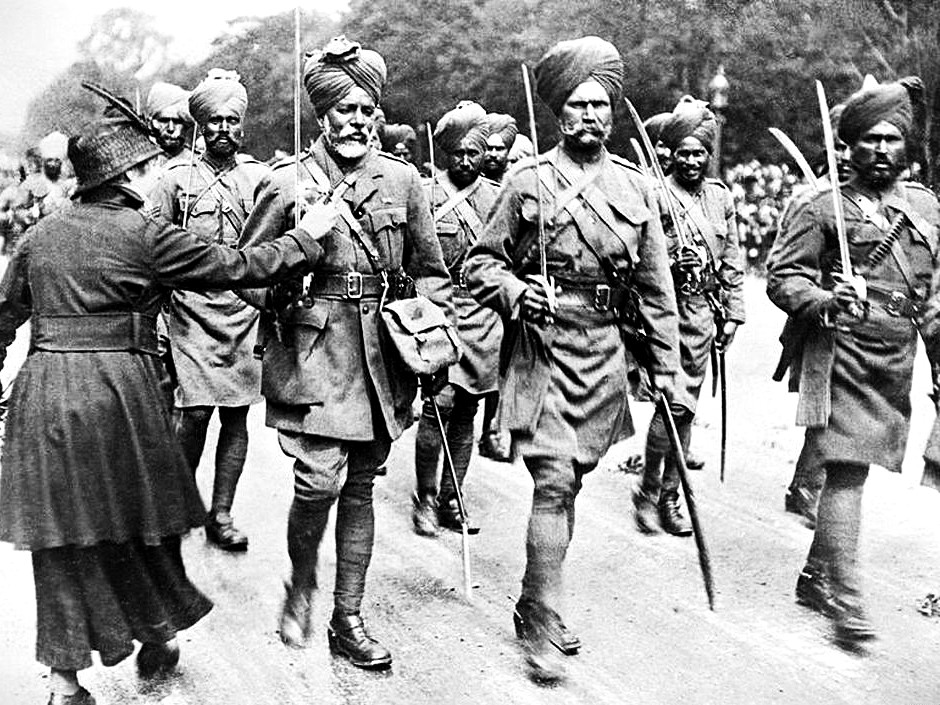
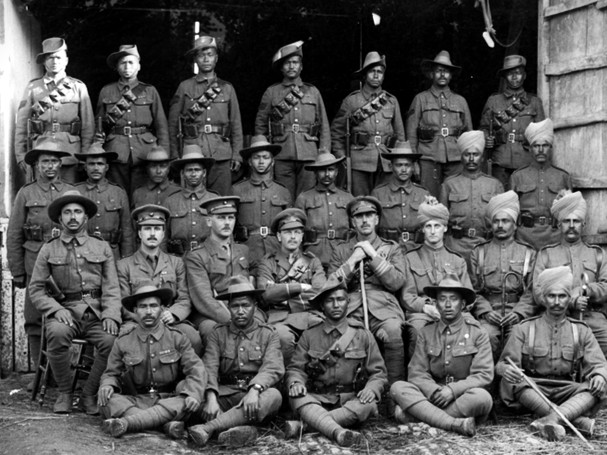
On September 26, 1914, the Lahore Division arrived in Marseilles, France. The French initially mistook the Gorkhas for Japanese and referred to them as Les Hindous. At the time, the British Expeditionary Force was barely holding the Ypres Salient, having been exhausted by the retreat. They had suffered 10,000 casualties and faced severe artillery shortages.

The battles of the Marne and Ypres in September and October 1914 were crucial in preventing a German victory. A successful German assault at Neuve Chapelle could have forced a British withdrawal from the continent, but the Indian Army played a vital role in supporting the British Expeditionary Force, enabling the Canadian Expeditionary Force to land in Europe.

Over 135,000 British Indian Army troops fought alongside Canadian forces on the Western Front in battles such as 2nd Ypres, St. Julian, Festubert, The Somme, and Vimy. Without the Indian Army’s presence, John McCrae’s In Flanders Fields, which highlights the collaboration between Canadians and Indians in the Second Battle of Ypres, might never have been written.

indians supporting the war indians supporting the war

Guts, Glory, and Izzat

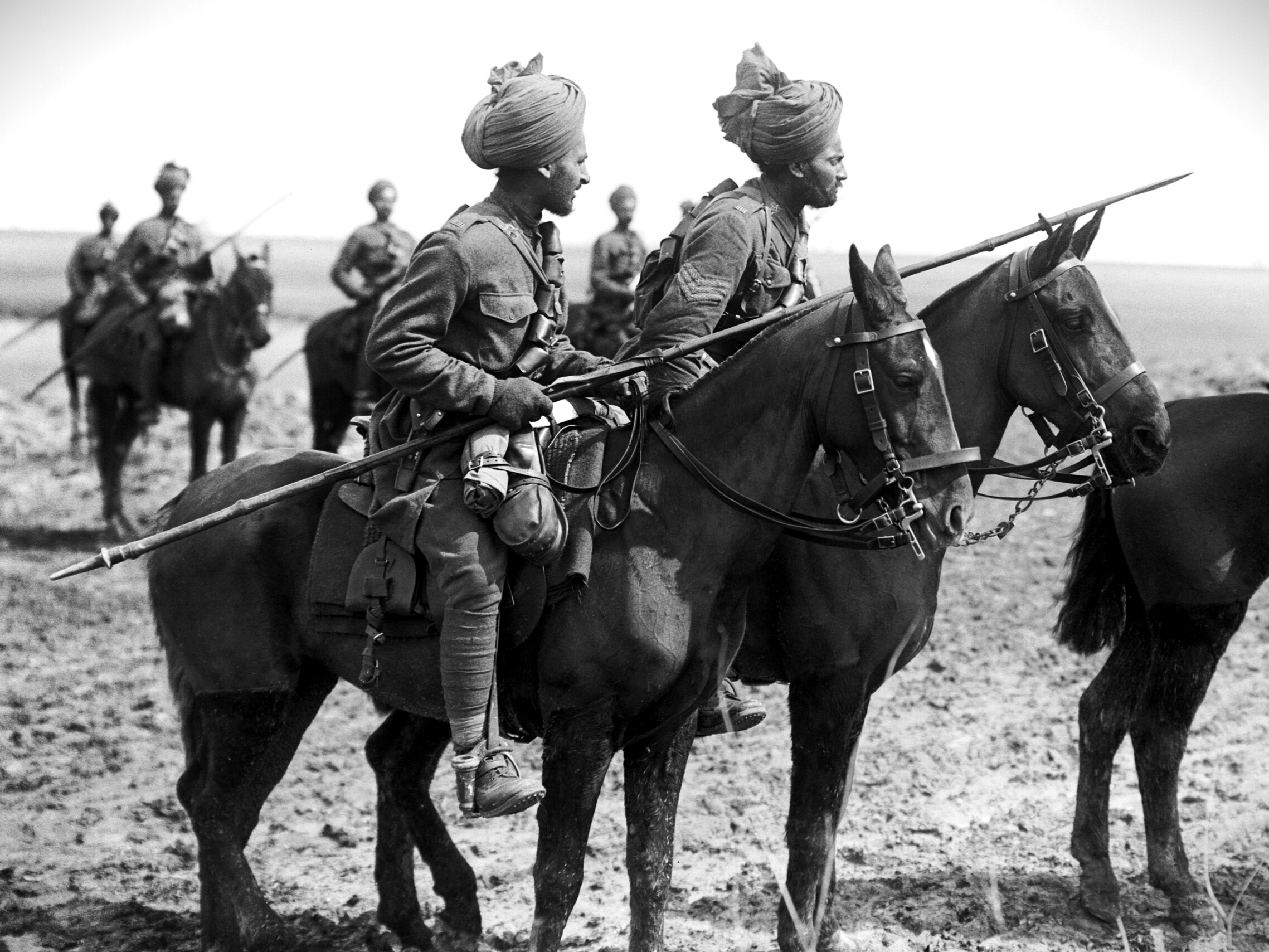
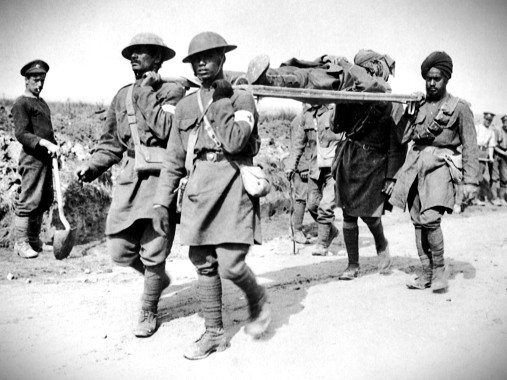
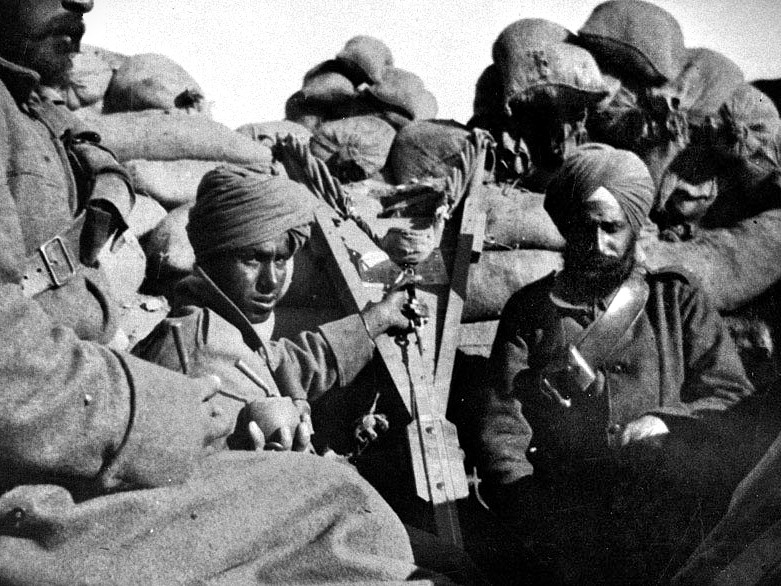
Indian Army Corps soldiers in World War I faced immense challenges, fighting in unfamiliar European lands from 1914 to 1916. They endured freezing winters without adequate training or proper uniforms until early 1915, as well as piecemeal deployments, language barriers with allied troops, and the horrors of artillery shelling and gas attacks.

Despite being in unfamiliar land, facing an unknown enemy, and fighting for a cause not their own, they served with honour for their country and regiments, embodying the spirit of "izzat" or honour.

- Major Gordon Corrigan

"Izzat" was a crucial motivator for Indian soldiers in World War I, driving them through adversity. More than just honor, it encompassed external factors such as rank, medals, wealth, and land, as well as internal values like self-respect, duty, and pride. Deeply ingrained in personal, community, and regimental life, izzat shaped countless wartime experiences.

Despite their bravery, these heroes remained largely unrecognized after the war, neglected by the British Empire they served and overlooked by their homeland. Their sacrifices were further diminished when the British broke their insincere promise of self-rule for India, leaving their contributions to the war effort undervalued.

indians supporting the war indians supporting the war
indians supporting the war

Mobilization for the British

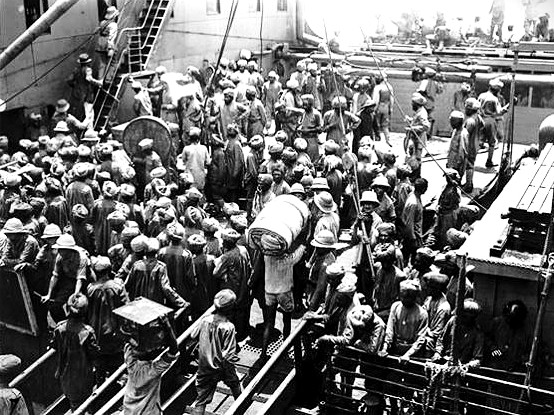
In August 1914, the Indian Army Corps mobilized for Europe via Karachi and Mumbai. For many Punjabi, Garhwali, and Gurkha soldiers, this was their first time seeing the sea and crossing the "Kala Pani" or black water, which was a significant cultural taboo for many Hindu soldiers.

Princely States and the British Indian Army

By 1914, one-third of India was governed by over 700 princely states. Through the Imperial Service Scheme, these states were allowed to train and equip portions of their forces to British standards, making them available for operations. Of the 27 states maintaining Imperial Service Contingents, 21 participated in World War I, primarily in the Middle East, while 4 contributed forces to France.

During the war, Indian nationalists hoped their support for Britain would lead to Dominion Status like the "White Commonwealth." Mahatma Gandhi, having returned from South Africa in 1915, supported the war effort, while poet Rabindranath Tagore expressed skepticism, highlighting India's struggles. India faced severe hardships, including high taxation, inflation, disrupted trade, and an influenza epidemic.

indians supporting the war indians supporting the war

Impact of Post 1857 First War of Independence

After Sepoy Mutiny, the British reorganized the Indian Army by penalizing mutineers and rewarding loyal soldiers. The concept of "Martial Races" emerged, categorizing groups from hilly regions, such as Gurkhas, Sikhs, and Punjabis, as more reliable and suited for military service. This perception arose from the belief that these groups were tougher and more disciplined than the Brahmins.

The British filled disbanded regiments with these "Martial Races," and under leaders like Roberts and Kitchener, the Indian Army became increasingly composed of soldiers from these groups. Within 50 years, Punjab became the cornerstone of the Indian Army, with representation from Sikhs, Dogras, Jats, Punjabi Mussalmans, Pathans, Gurkhas, and Garhwalis. However, the Martial Races theory is biased.

indians supporting the war indians supporting the war